How the Right Pair of Gloves Can Improve Safety and Performance at Work
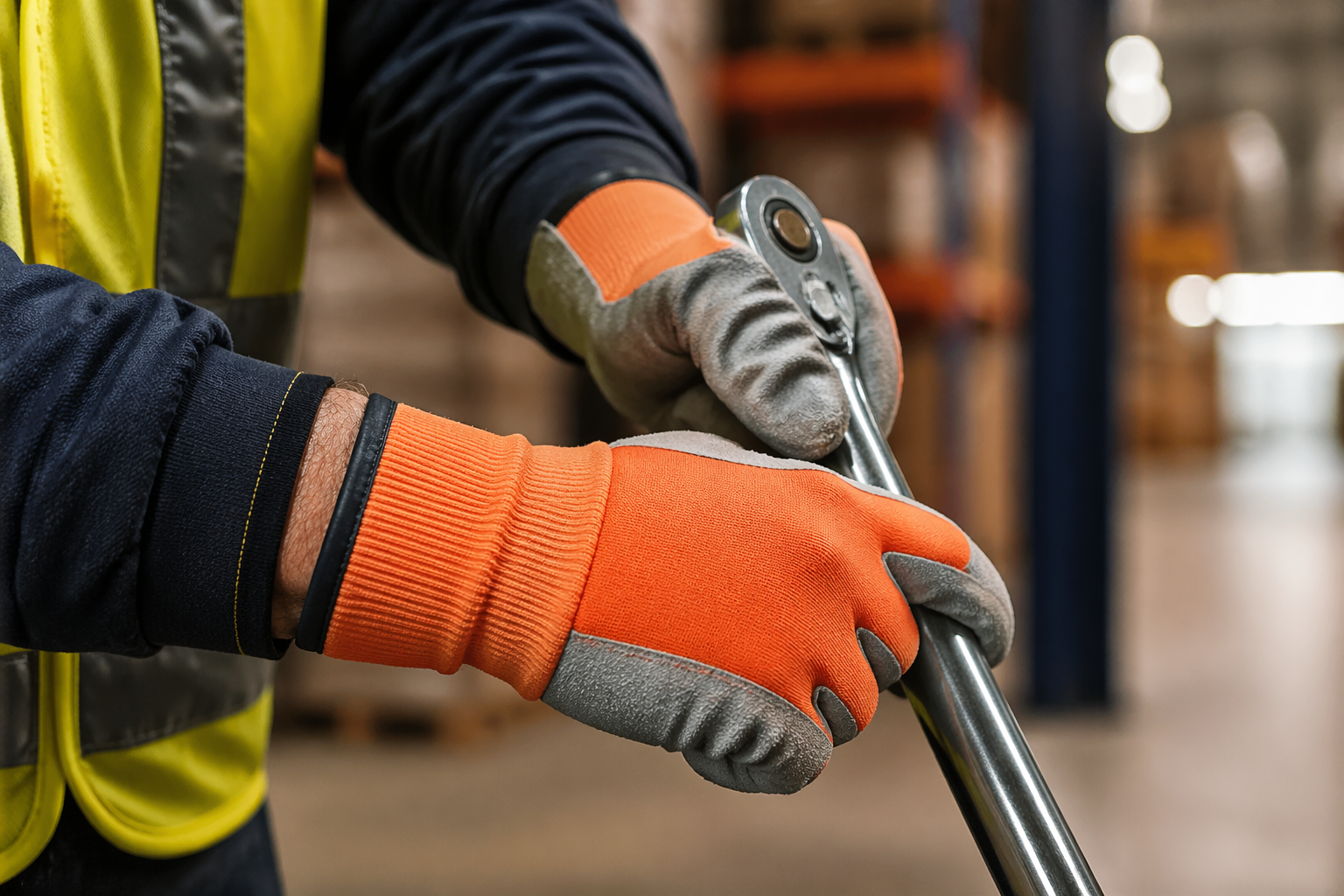
Introduction: The Moment Everything Changed
Marcus had been on the warehouse floor for just four months. He was young, eager, and careful or so he thought. One Tuesday afternoon, his supervisor asked him to handle a batch of chemical cleaning agents. Nothing unusual. Marcus grabbed a pair of thin, ill-fitting gloves from the supply bin. They felt loose around his fingers, but he didn't want to waste time searching for a better fit.
Twenty minutes later, a small amount of solution seeped through a tiny tear near his thumb. He didn't notice at first. By the end of his shift, his skin was red, irritated, and burning. The gloves had failed him.
That night, Marcus sat in an urgent care clinic, angry at himself but also confused. Aren't all gloves the same? He learned the hard way they are not. Within a week, his employer replaced the entire stock with task-specific protective gloves, and Marcus never skipped checking his gear again. His performance improved because he stopped worrying about what might leak through. He moved faster, gripped better, and felt confident.
That one change the right pair of gloves turned a cautious rookie into one of the most reliable workers on his team.
Why Gloves Matter More Than People Think
Your hands are your most valuable tools. Everything you do at work—gripping, lifting, typing, cleaning, cutting, examining—depends on them. Yet hand injuries remain one of the most common workplace accidents. According to safety studies, nearly 70% of hand injuries happen when workers aren't wearing gloves at all. The rest often involve the wrong type of glove for the job.
Here is what many people miss: gloves do not just protect. They enable better work.
When you wear the correct safety gloves, your brain stops splitting its attention between the task and the risk. You focus. You move naturally. You avoid the tiny hesitations that slow down productivity.
Using the wrong gloves creates a chain reaction of problems:
- Poor grip leads to dropped tools and wasted time
- Bad fit causes hand fatigue and cramping
- Wrong material fails against chemicals, heat, or sharps
- Low-quality gloves tear easily, forcing constant replacements
On the flip side, the right gloves turn your hands into more capable, more confident instruments. That is not just safety—that is performance.
Key Benefits of Using the Right Gloves
Improved Safety and Protection
This is the obvious one, but it deserves first place. Whether you face sharp edges, hot surfaces, corrosive liquids, or infectious materials, a task-appropriate glove acts as your final barrier. The best protective gloves are tested against specific risks—abrasion, puncture, chemical splash, or biological exposure.
Better Grip and Control
Have you ever tried to pick up a small screw or a wet glass bottle with loose gloves? It feels like wearing oven mitts. The right gloves offer textured fingertips and snug palms, giving you near-barehanded control while keeping you safe.
Comfort and Reduced Fatigue
Poorly fitted gloves force your hand muscles to work harder. Over an eight-hour shift, that extra effort adds up to real exhaustion. Comfortable gloves with breathable materials and ergonomic design let your hands rest even while working hard.
Hygiene and Contamination Control
In healthcare, food service, and laboratory settings, gloves are not about protecting you they are about protecting everyone else. Disposable gloves prevent cross-contamination, keeping patients, samples, and surfaces clean.
Efficiency and Performance Boost
When you trust your gloves, you work faster. No second-guessing. No stopping to readjust slipping material. No running to replace torn pairs every hour. That is measurable productivity gain.
Real-World Use Cases: Stories from the Job
Healthcare: Precision Under Pressure
Sarah is an emergency room nurse. During a twelve-hour shift, she might change gloves thirty times. She needs disposable gloves that fit like a second skin—loose enough to remove quickly, tight enough to feel a vein or a suture needle. When her hospital switched to high-quality latex gloves, she noticed she could start IVs faster on the first try. That matters when a patient is bleeding out.
Laboratory Work: Steady Hands Save Experiments
James runs a molecular biology lab. He works with delicate pipettes, flammable solvents, and DNA samples that cannot be contaminated. His gloves must balance chemical resistance with tactile sensitivity. A torn glove in his line of work means repeating a week-long experiment. He only trusts brands with consistent thickness and durability.
Industrial Tasks: Grip That Does Not Slip
On a construction site, Maria spends her days handling rebar and power tools. Her safety gloves have reinforced palms and impact-resistant knuckles. Before she found the right pair, she dropped two drills in one month—both times because sweat made her grip fail. Now, her gloves channel moisture away and give her a locked-in hold.
Cleaning and Sanitation: Chemical Protection Done Right
Hotel housekeeping teams use strong disinfectants every day. Low-quality gloves break down after repeated exposure to bleach and ammonia. One senior housekeeper told me she used to feel tingling in her fingers by lunchtime—a sign of chemical absorption. After switching to thicker, task-rated gloves, the tingling stopped, and her team stopped calling in sick with skin rashes.
Focus Section: Why Custom Latex Gloves Stand Out
Not every job needs a custom solution. But for workplaces where fit, branding, and consistency matter, custom latex gloves offer a powerful upgrade.
Latex gloves are naturally flexible and comfortable. They conform to your hand shape better than most synthetic alternatives. That is why surgeons and dentists still prefer them for precision work. The elastic fit means less slipping and less hand fatigue over long shifts.
Adding customization—like a company logo or color coding helps with organization and compliance. When every glove looks the same, workers can quickly identify the right size and type for their role.
For businesses that want to combine safety with professionalism, custom options make sense. You can explore high-quality choices at custom latex gloves to see what fits your team’s needs.
The key takeaway: customization does not change the protective qualities. It adds clarity, accountability, and sometimes a bit of team pride.
Choosing the Right Gloves for the Job
With so many options on the market, how do you choose? Start by asking three questions:
- What hazard am I facing? Chemical, biological, thermal, mechanical?
- How much dexterity do I need? Fine motor work requires thin, sensitive gloves. Heavy labor needs thick, durable ones.
- How long will I wear them? All-day use demands breathability and ergonomic design.
Here is a quick material guide:
| Material | Best For | Watch Out For |
|---|---|---|
| Latex | Medical exams, lab work, food handling | Latex allergies |
| Nitrile | Chemicals, puncture risks, oily surfaces | Less flexible than latex |
| Leather | Welding, heavy construction, rough materials | Not for wet or chemical work |
| Vinyl | Short-term food service, low-risk cleaning | Lower durability |
Fit is non-negotiable. Gloves that are too tight cut off circulation and cause cramping. Gloves that are too loose create friction blisters and ruin your grip. Measure your hand circumference and length, then check each brand’s sizing chart—they vary.
Conclusion: Small Change, Big Difference
Marcus learned his lesson in an urgent care clinic. Sarah, James, and Maria learned theirs through trial and error. The pattern is always the same: the right pair of gloves transforms how you work.
You move faster because you stop hesitating.
You stay safer because the barrier holds.
You finish stronger because your hands are not exhausted.
Hand protection is not an afterthought. It is a performance tool. Whether you need disposable gloves for a clean lab, heavy safety gloves for a construction site, or protective gloves for chemical handling, the investment pays off in fewer injuries, better output, and more confident workers.
Do not wait for a burning sensation or a dropped tool to remind you. Check your gloves today. Your hands will thank you.